BLACK@ASU.
A research project studying Black fatigue and campus climate among Black students at Arizona State University.
Black fatigue describes the cumulative emotional, psychological, and physical exhaustion that can come from navigating racism, underrepresentation, and constant adaptation in campus life.
Black@ASU collects anonymous survey data, incident reports, and student perspectives to better understand those experiences and build a stronger record of what Black students are navigating at ASU.

Black@ASU Research
Anonymous student experiences become research that can clarify patterns in stress, belonging, and racial climate.
Black Fatigue
Understanding Black fatigue at ASU.
Black fatigue describes the cumulative physical, emotional, and psychological toll of moving through systems shaped by racism. In university life, that can mean classroom bias, repeated explanation, social isolation, institutional friction, and the exhaustion of constantly adapting.
Microaggressions
Racial slights and repeated exclusion often accumulate into long-term stress rather than isolated discomfort.
Code-Switching + Emotional Tax
Students may constantly monitor speech, emotion, and presentation in environments that do not always feel safe or neutral.
Hypervisibility + Erasure
Being seen and unseen at the same time can create exhaustion, isolation, and a steady drain on well-being.
The survey helps turn student experience into a clearer record of racial stress, belonging, and fatigue.
The survey is anonymous by design. It helps Black@ASU capture recurring stressors, map fatigue, and show how belonging or its absence shapes campus life.
Anonymous
Students can contribute without tying their response to a public identity.
Actionable
Aggregated data can support stronger administrative and resource conversations.
Primary Pages
The project gives each part of the work a clear place to live.
Survey, reporting, and data should read as connected parts of the same research system rather than disconnected sections.
Resource Spotlight
Black African Coalition at ASU
BAC belongs here as one of the strongest support resources for Black students, not as a replacement for the project itself.
A direct student-facing introduction to BAC through ASU's own video.
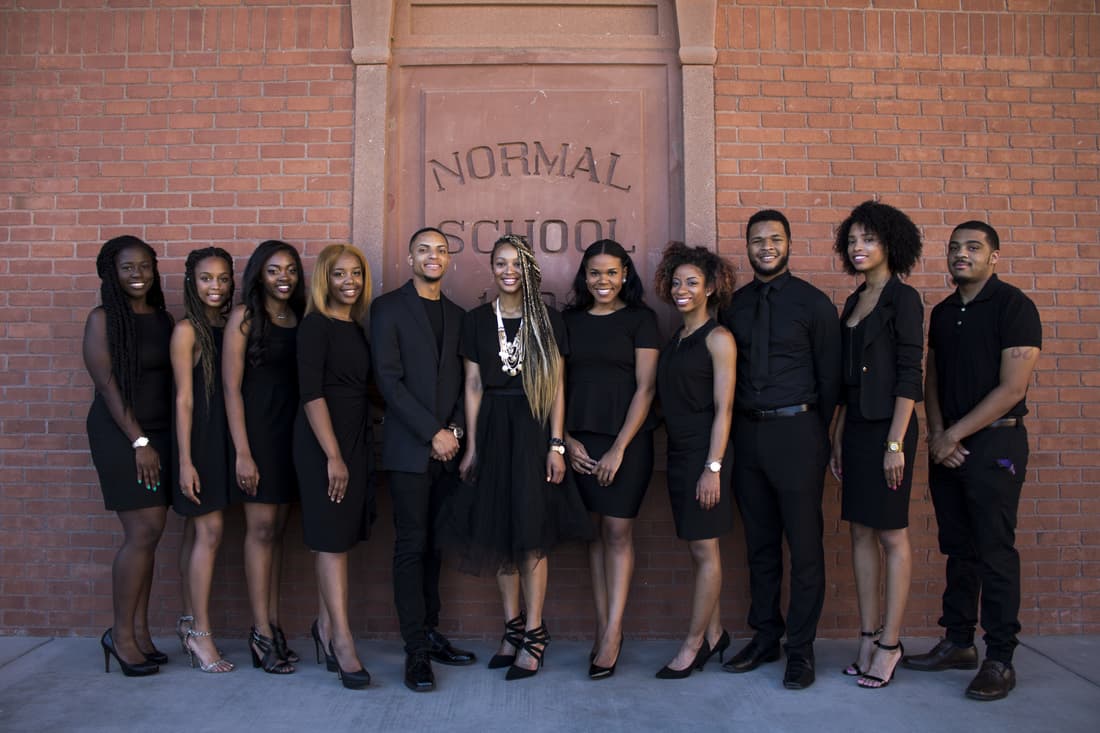
Student Community
BAC helps students find connection, visibility, leadership, and a stronger sense of belonging.
Why BAC Helps
BAC is one of the strongest community anchors for Black students at ASU.
ASU describes BAC as a coalition centered on visibility, advocacy, recruitment, retention, and graduation.
It can help students find leadership opportunities, events, student organizations, and a stronger sense of campus connection.
Additional Resources
Support pathways beyond the research itself.
If you need community, start with BAC. If you need formal advocacy or institutional response, move to the Dean of Students or Title IX depending on what happened.
Community + student life
Black African Coalition
One of the strongest starting points for Black student belonging, leadership, events, and connection at ASU.
Phone: 480-965-0696
Title IX Coordinator
For sex-based discrimination, harassment, assault, and questions about reporting or institutional response.
Phone: 480-965-6547
Dean of Students
A direct route for advocacy, referrals, support navigation, and help coordinating next steps on campus.
Research Call
Your voice matters when it becomes part of the record.
Every response helps make Black student experience at ASU more visible, more legible, and harder to ignore.